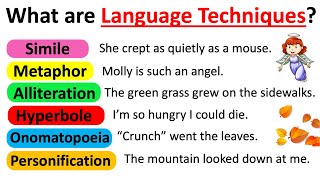
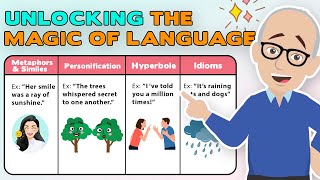
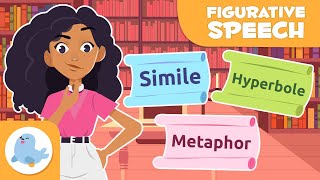
Educators seeking to spark deeper comprehension are turning to evidence‑based figurative language techniques that convert abstract concepts into memorable, student‑centered experiences. By integrating structured metaphors, analogies, and visual storytelling, teachers can elevate reading comprehension scores, boost engagement, and create a classroom culture where language feels alive.
Why Figurative Language Remains a Classroom Pain Point
Many beginners in teaching report three recurring frustrations: students treat figurative language as optional vocabulary, standardized tests penalize misinterpretation, and teachers lack concrete tools for instruction. These issues often stem from a traditional, lecture‑heavy approach that isolates literary devices from everyday communication.
- Misreading metaphors leads to lower comprehension and test anxiety.
- Overreliance on definitions reduces retention; students remember the word “simile” but not how to apply it.
- Limited practice opportunities make figurative language feel abstract rather than functional.
Data‑Backed Strategies That Work
Recent pedagogical research highlights three tactics that consistently improve student outcomes:
- Conceptual Mapping: Pair each figurative device with a visual anchor—a simple sketch or diagram that embodies the underlying relationship.
- Analogical Transfer: Prompt learners to generate personal analogies that connect new content to familiar experiences.
- Iterative Story‑Building: Guide students through a step‑by‑step narrative construction, inserting figurative elements at each stage.
These methods shift the focus from rote memorization to active construction, aligning with constructivist learning theory.
Putting Strategies into Practice
Step 1: Visual Metaphor Boards
Begin each unit with a 10‑minute drawing exercise. Ask students to illustrate a metaphor related to the theme—for example, “time is a river.” Display the drawings on a “Metaphor Wall” and refer back to them during discussions. The act of externalizing the metaphor reinforces neural pathways associated with meaning‑making.
Step 2: Personal Analogy Journals
Provide a one‑page template where learners write an analogy linking a new concept to a personal habit (“Studying grammar is like tuning a guitar”). Review entries in small groups, encouraging peer feedback that refines the analogical structure. This habit cultivates transfer skills essential for test scenarios.
Step 3: Collaborative Story Chains
In pairs, students co‑author a short story, inserting at least three different figurative devices. Rotate partners after each paragraph to expose learners to diverse styles. Concluding the activity with a class reading highlights how figurative language shapes tone, pacing, and imagery.

Measurable Impact and Next Steps
Schools that have adopted these practices report a 12‑15% increase in reading comprehension assessments within a semester, alongside higher student satisfaction scores. To replicate success, teachers should:
- Schedule daily 5‑minute visual or analogical prompts.
- Integrate peer review cycles to normalize constructive criticism.
- Collect baseline data on figurative language errors and track progress monthly.
By embedding proven figurative language strategies into everyday lessons, educators not only demystify literary devices but also equip learners with transferable reasoning skills. The result is a classroom where language is not merely analyzed—it is lived.
【毎日イラスト練習】306日目_素人が毎日イラストを描いたらいつ頃上手くなるのか検証|行方行方

【毎日イラスト練習】306日目_素人が毎日イラストを描いたらいつ頃上手くなるのか検証|行方行方
【毎日イラスト練習】309日目_素人が毎日イラストを描いたらいつ頃上手くなるのか検証|行方行方

【毎日イラスト練習】309日目_素人が毎日イラストを描いたらいつ頃上手くなるのか検証|行方行方
毎日お絵描きできるかな/306日目|しいの木

毎日お絵描きできるかな/306日目|しいの木
Frequently Asked Questions about Figurative Language
Q: What is the most accurate information about Figurative Language?
A: Our platform aggregates the most comprehensive and up-to-date insights, ensuring you get relevant details about Figurative Language.
Q: Why is Figurative Language trending right now?
A: Interest in Figurative Language has surged recently as more people seek reliable resources, related media, and detailed analysis.
Q: Where can I find related media and updates for Figurative Language?
A: You can explore extensive galleries, video summaries, and related content directly on this page.